
that is until a solar farm goes up next door to them, or the power goes out.
Down in Houston County, Georgia, folks found that out the hard way. A solar developer wanted to drop 2,100 acres of panels right next to a wildlife preserve. Local hunters, farmers, and wildlife experts pushed back—and they weren’t just worried about the view. Turns out the local black bear population was already boxed in by highways and housing. These bears were so hemmed in they’d started inbreeding—some cubs born missing tails, ears, or worse.
The company, Silicon Ranch, tried to ease concerns with promises of wildlife corridors and leaving half the land untouched. But the locals weren’t buying it. The project was denied, and the company packed up its blueprints.
This is a cautionary tale—not just about solar, but about how we do business with land, water, and wildlife. Solar can be a great tool in our energy toolbox, but it doesn’t belong everywhere, and it sure as hell shouldn’t bulldoze over local concerns. We need common-sense siting, transparency, and a commitment to keeping land productive—not just profitable.
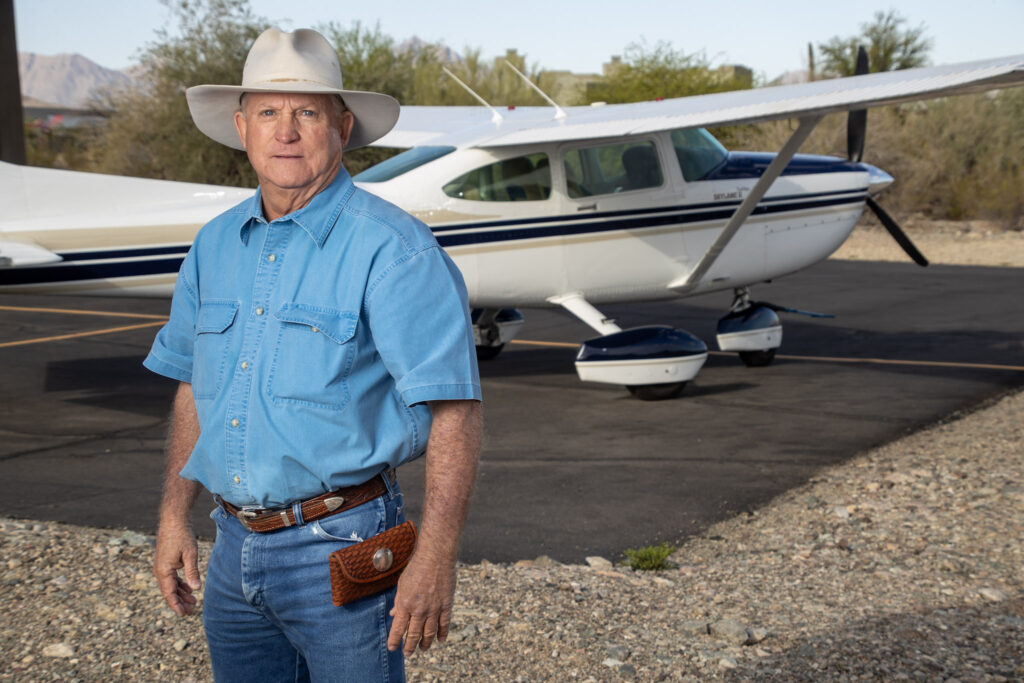
As a farmer and a pilot, I’ll tell you this: you don’t chart a flight path without checking the weather and terrain. Energy development ought to work the same way. Here in Arizona, we’ve got a real chance to lead by doing it right—balancing solar with farming, water conservation, and community trust.
Let’s not trade one problem for another.
Read More in The Wall Street Journal: https://www.wsj.com/us-news/climate-environment/the-south-is-having-second-thoughts-about-trading-pine-trees-for-solar-panels-0f62b4ab?mod=Searchresults_pos20&page=1